
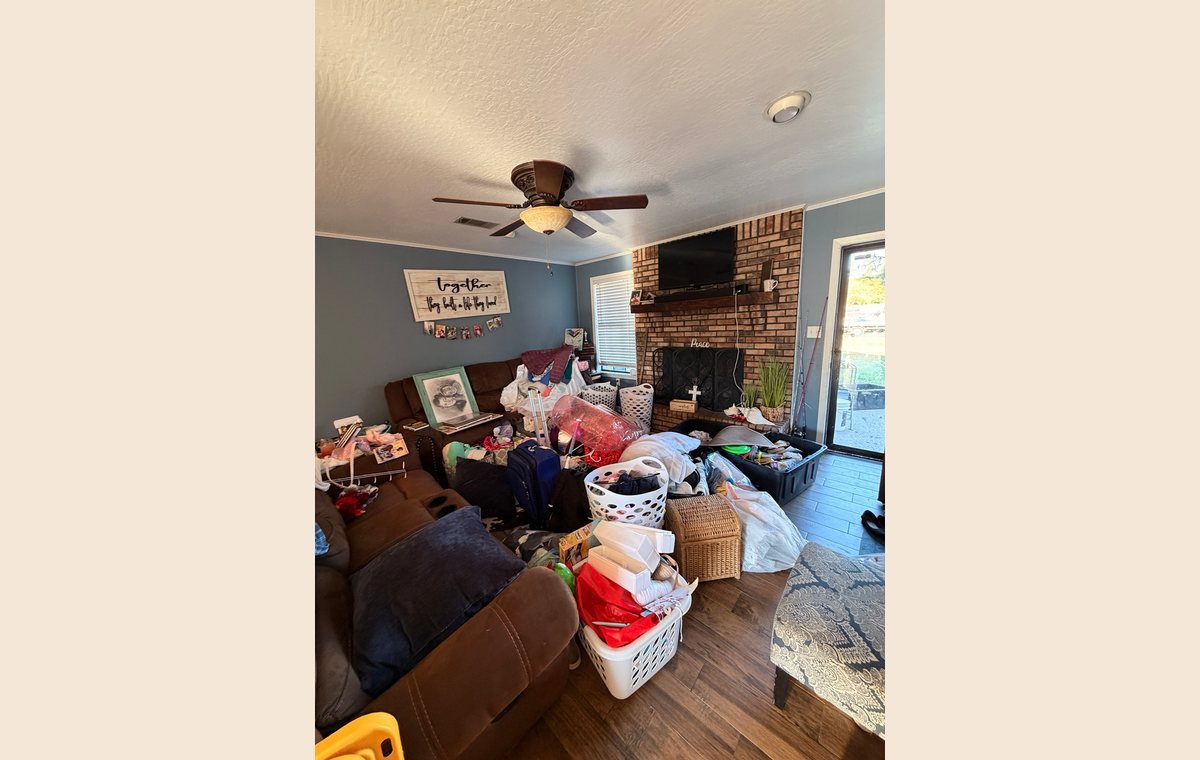
Reusable bags tend to spread because they arrive home full, get emptied in different rooms, and never receive one final destination. I would not buy a dispenser until the family knows how many bags it uses and where the easiest return point really is.
Gather bags from the places they hide
Check the car, pantry, coat area, kitchen drawers, laundry room, stroller, and other ordinary drop zones. Do not empty any bag that might contain personal documents, medicine, food, or another family member’s belongings without checking first.
Sort for safety and usefulness
Keep bags that are clean, dry, sturdy, and the right size for real errands. Follow the manufacturer’s cleaning instructions. Set aside torn bags, bags with damaged handles, strong odors, contamination, or a lining that cannot be cleaned safely.
Choose a household limit
Count how many bags a normal grocery trip uses, then add a small buffer. A household with bulk shopping, public transportation, delivery work, or several caregivers may need more. The right number is the number the family can store, clean, and return—not a number copied from someone else’s pantry.
Use one bag to hold the others
Fold or roll the keepers into one sturdy reusable bag, basket, box, or drawer you already own. Put heavier insulated bags together if their care instructions allow. The container becomes the boundary; when it is comfortably full, new bags must replace an old one instead of starting a second pile.
Create a small exit set
Place a few bags near the route to the car or shopping bag, while keeping walkways and exits clear. If bags in the car are exposed to heat, moisture, pests, or theft risk, store them indoors and use a reminder by the door instead.
Separate food-use bags when needed
Raw meat, cleaning products, pet supplies, and ready-to-eat food may require separate handling. Follow local food-safety guidance and store policies. Wash or replace a bag after a leak or contamination rather than assuming a quick wipe is enough.
Build the return into unloading
After groceries are put away, shake out crumbs, check for receipts or personal information, clean as directed, and return the bags to their container. Pairing the step with unloading works better than hoping everyone remembers later.
Make forgetting less expensive
Add “bags” to the grocery list, place a phone reminder near departure time, or keep one compact backup in the usual shopping bag. If you forget, choose the least wasteful workable option the store allows rather than buying another reusable bag automatically.
Let extras leave responsibly
Offer clean usable extras to someone who wants them, use them for an appropriate donation drop-off, or follow local recycling and disposal rules. Donation sites may not want a surprise pile of bags, so ask first.
Review after two shopping weeks
If the family uses the bags and returns them easily, the system is working. If bags still land elsewhere, move the container to the actual unloading path. Organizing should reduce steps, not create a prettier place everyone avoids.
Pair this with the one-basket household reset and safe no-buy under-sink organization.
Affiliate disclosure: No new affiliate recommendation was added because no relevant user-owned link completed destination, product, and attribution verification. As an Amazon Associate I earn from qualifying purchases.