
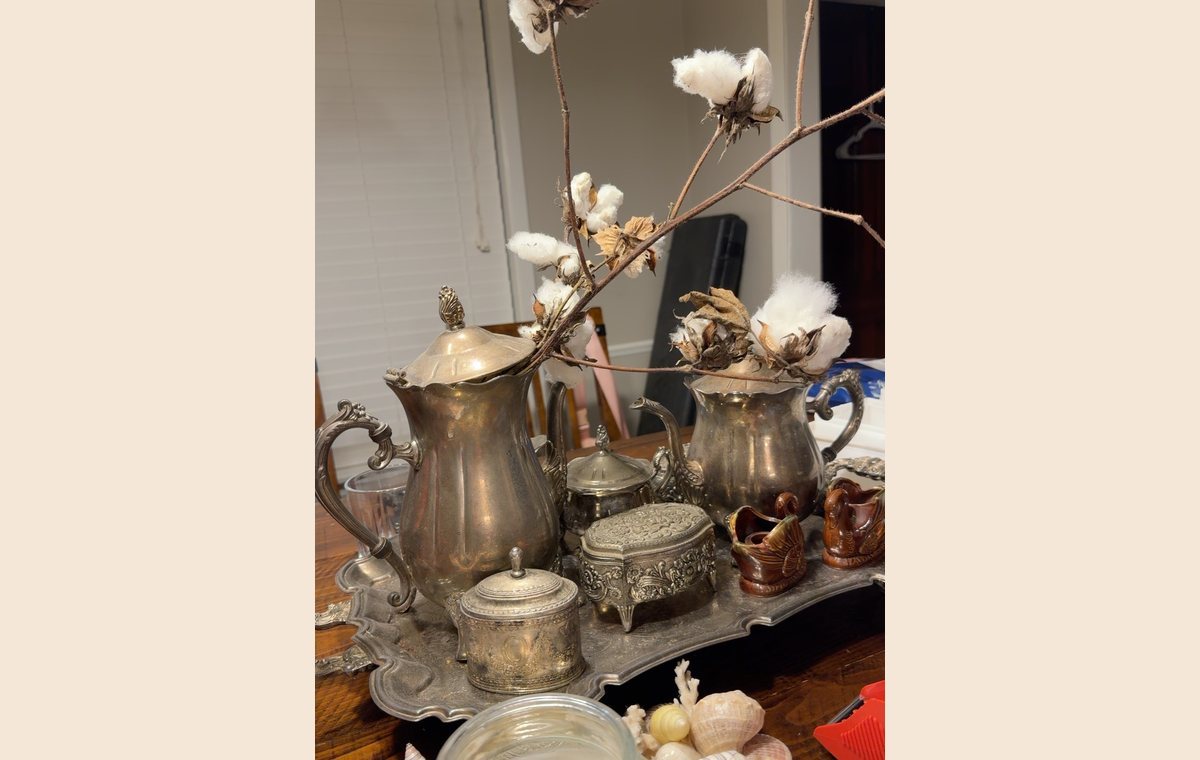
Family photos often live in a box nobody opens or a phone library everyone scrolls past. A photo story night gives ten pictures enough time to become real stories. It costs nothing, and it can help children understand that family life includes ordinary kitchens, awkward haircuts, changed plans, hard seasons, and people who loved them before they were born.
Choose ten photos, not the whole archive
Pick a small mix: a celebration, an ordinary day, a place, an older relative, a funny object, and one picture from a different season of family life. Ten photos keep the activity from becoming a four-hour sorting job. Avoid images that expose private medical, legal, school, custody, or safety information.
Use copies or supervised digital viewing
Fragile originals, irreplaceable documents, and damaged albums may need archival handling or professional help. Do not hand a delicate photograph to a young child near food or drinks. On a phone or tablet, turn off notifications and avoid accidentally opening private messages or unrelated images.
Tell the story outside the frame
Ask: Who took the photo? What happened five minutes before? What could you hear or smell? What did the room look like after everyone left? Which detail would a stranger misunderstand? The goal is not naming every person correctly. It is giving context that the picture alone cannot hold.
Let people remember differently
Two adults may recall the same day in different ways. Say, “That is how you remember it,” and avoid turning the activity into a fact trial. Correct harmful falsehoods when necessary, but leave room for perspective. Memory is not a perfect recording.
Give every person permission to pass
A photograph can bring grief, estrangement, trauma, infertility, divorce, addiction, illness, or another private story into the room. Nobody owes the group an explanation. Put the picture aside and move on. Children should not be pressed to speak about events they do not understand or want to revisit.
Do not make children the punch line
A bath photo, toilet-training story, meltdown, medical moment, school mistake, or embarrassing outfit may feel funny to adults and humiliating to the child. Choose dignity over entertainment. A child can ask for a photo to be removed from the activity.
Keep the story off social media unless everyone agrees
Family access is not publishing permission. Ask the people shown and the person who owns the image before sharing. Children deserve special care because they may not understand how permanent or searchable a post can become. Keep identifying details, locations, schedules, and school information private.
Invite children to ask one real question
Try, “What did you do for fun?” “What did groceries cost?” “Who taught you that?” or “What was hard then?” Adults can say, “That part is private,” without shaming the question. Honest boundaries model respect better than a polished family legend.
Add one gentle faith prompt
If it fits the family, ask, “Where do you notice God’s care in this season?” Do not force a happy explanation onto grief or harm. Faith can hold lament, unanswered questions, gratitude, and growth at the same table.
End with one sentence worth saving
Write the date, names, and one line of context on a separate note or in a digital document. If writing on a photograph is appropriate, use a photo-safe method and avoid covering original information. Save only what the family has permission to preserve.
Make the next night easy
Place another ten-photo group in an envelope or private digital album. Stop before the evening feels like homework. The remaining photos are not a backlog; they are an invitation for another ordinary night together.
For another free connection idea, try the family memory swap night or the gratitude interview with an older relative.
Affiliate disclosure: I may earn a commission through clearly marked links. As an Amazon Associate I earn from qualifying purchases. Prices, availability, and terms can change. Buying nothing is always an option.