
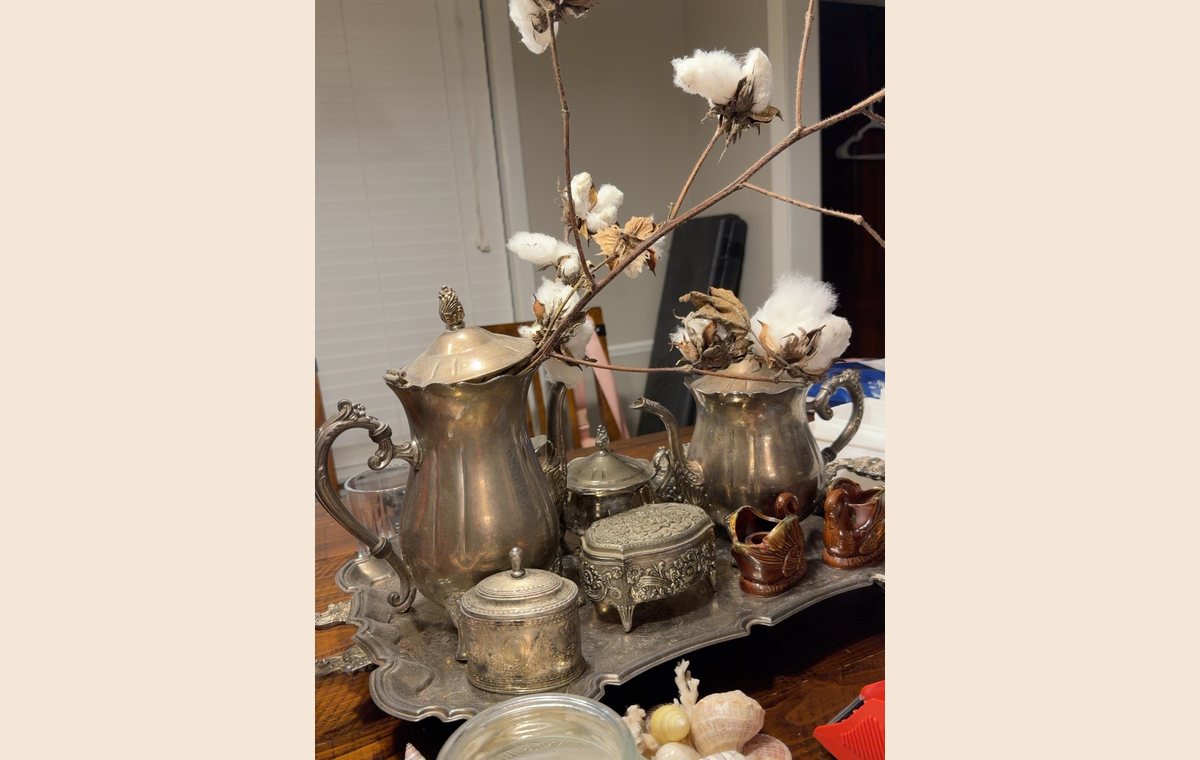
A memory swap night is exactly what it sounds like: family members take turns sharing short stories connected to ordinary objects, foods, places, songs, or traditions. It can fill twenty meaningful minutes without a craft haul, a reservation, or another screen.
Choose one easy starting object
Set out something safe and familiar: a serving spoon, old ornament, recipe card, school photo, souvenir, work hat, or well-loved book. Avoid fragile heirlooms in children’s hands and anything that could reveal private financial, medical, legal, or identity information.
Use prompts that invite rather than quiz
- Who used this, and what do you remember?
- What did a normal day look like then?
- What is one funny detail that photographs do not show?
- What family tradition would you keep, change, or start?
- What did somebody teach you without calling it a lesson?
There is no prize for the most dramatic story. Ordinary memories often help children understand family life better than polished highlights.
Keep each turn short
Give each speaker two or three minutes, then let another person ask one kind question. A timer can help a talkative adult make space for quieter voices, but do not make the evening feel like a test.
Let children pass or correct the story
Nobody should be forced to discuss a painful memory or speak on demand. Children may remember an event differently from adults. Instead of arguing over every detail, say, “That is how you remember it,” and make room for both perspectives when it is safe.
Protect stories that are not yours to publish
A tender family moment does not automatically become social content. Ask before recording. Ask again before sharing. Do not post a child’s embarrassing, medical, behavioral, school, or grief story because adults found it meaningful.
Add a simple faith question if it fits
Ask, “Where can we see God’s care in this story?” Keep the answer open and gentle. A hard season does not need to be wrapped in a quick lesson, and children should not be pressured to produce a spiritual-sounding response.
End with one sentence of appreciation
Each person can thank someone for one thing learned or enjoyed. Then stop while the activity still feels light. If everyone wants another round, save a new object for next week.
For more free connection, try family story night, the five-minute celebration circle, or a family prayer walk.
Affiliate disclosure: I may earn a commission through clearly marked links. As an Amazon Associate I earn from qualifying purchases. Prices, availability, and terms can change. Buying nothing is always an option.