
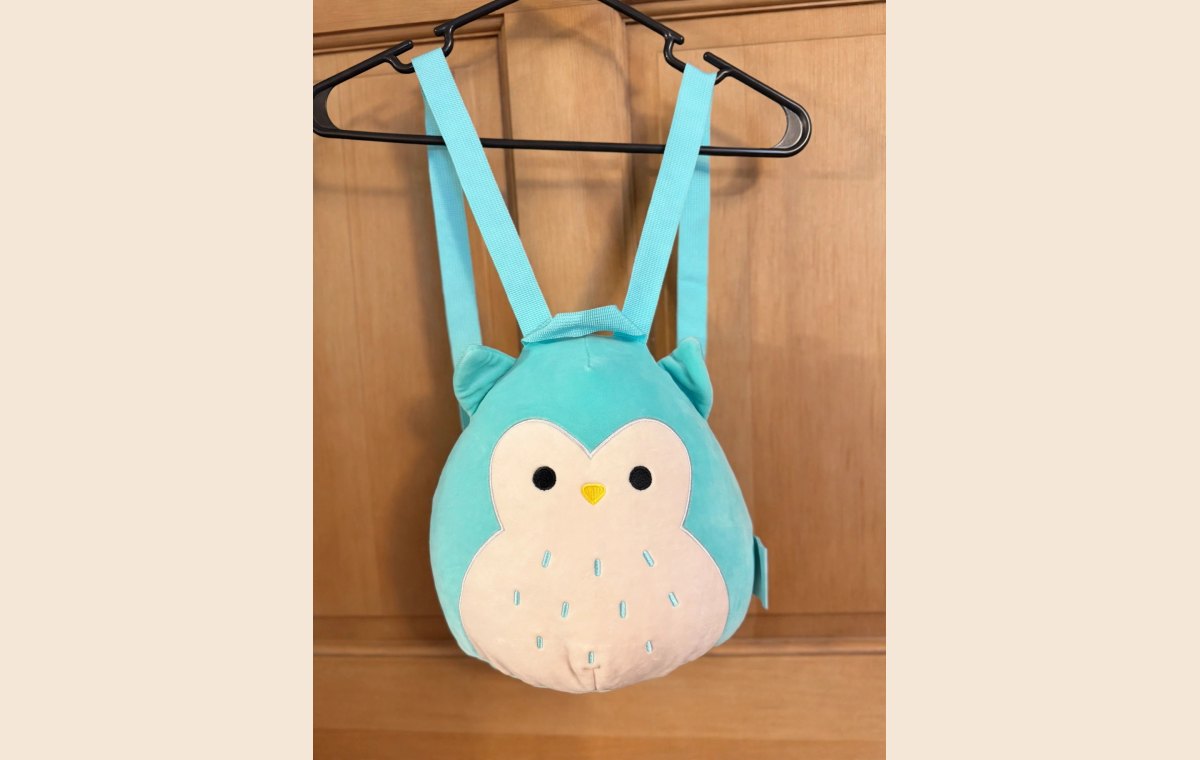
Shopping secondhand can give a usable item another turn, but a listing photo is only one view. Before choosing a backpack, check the parts that affect comfort, function, cleanliness, and safety. If you are shopping online, ask for clear photos and honest answers instead of assuming the item is in a particular condition.
Look closely at seams and stress points
Ask to see the bottom corners, strap attachments, top handle, and seams along the sides. These areas take more strain than a flat front panel. Look for fraying thread, holes, separated seams, or repairs that may not hold. A repair is not automatically a problem, but you should be able to see and understand it before deciding.
Test the zippers and closures
Check that each zipper moves smoothly and that its teeth meet without splitting. Inspect snaps, buckles, hook-and-loop tabs, and drawstrings. If the seller cannot show a closure working, factor that uncertainty into your decision or choose another item. Avoid anything with sharp broken hardware or small detachable parts that could be unsafe for the intended child.
Ask about the inside, not just the outside
Request a photo of the lining, pockets, and bottom interior. Look for stains, peeling, mold, pests, strong odors, or residue. Some marks may be manageable, but moisture damage or an odor that remains unexplained can be a reason to pass. Do not rely on a seller’s claim that a bag is clean if the interior is not shown.
Check fit and intended use
Compare the bag’s measurements with a backpack your child already carries comfortably. Consider shoulder width, strap adjustability, weight when empty, and how the bag will be used. For school, follow current school requirements and any guidance about carrying weight. A cute design is not worth it if the bag does not fit the child or cannot hold the items they actually need.
Ask focused questions
Instead of “Is it in good shape?” ask: “Do both zippers work?” “Are the strap seams intact?” “Has the bag been stored somewhere dry?” and “Are there any odors, stains, or repairs not visible in the photos?” Clear questions help both sides avoid misunderstandings. Keep communication and payment within the marketplace’s approved process, and review its current buyer protections, fees, and shipping details before checkout.
Set a maximum before browsing
Decide what you are comfortable spending and include shipping or marketplace fees that apply. Compare the total against a new option or another secondhand listing, but do not assume a lower asking price is automatically a better value. If the seller cannot provide the details you need, it is okay to wait for a clearer listing.
Optional referral link: If Vinted is a platform you are considering, you can visit Vinted through Nikki’s referral link. Nikki may receive a referral benefit if you qualify and use it. Referral eligibility and rewards have conditions and may change; review Vinted’s current referral terms before acting. This link is an invitation, not a promise that a particular backpack is available.
If you decide to sell rather than buy, my guides to checking a secondhand bag before listing and writing a clear clothing listing cover the seller side.
Affiliate disclosure: This article contains the clearly identified Vinted referral link above. Nikki may receive a referral benefit if you qualify and use it. Review the linked current terms before acting. No Amazon product recommendation was added because the supplied links do not honestly fit this backpack inspection topic. As an Amazon Associate I earn from qualifying purchases.