
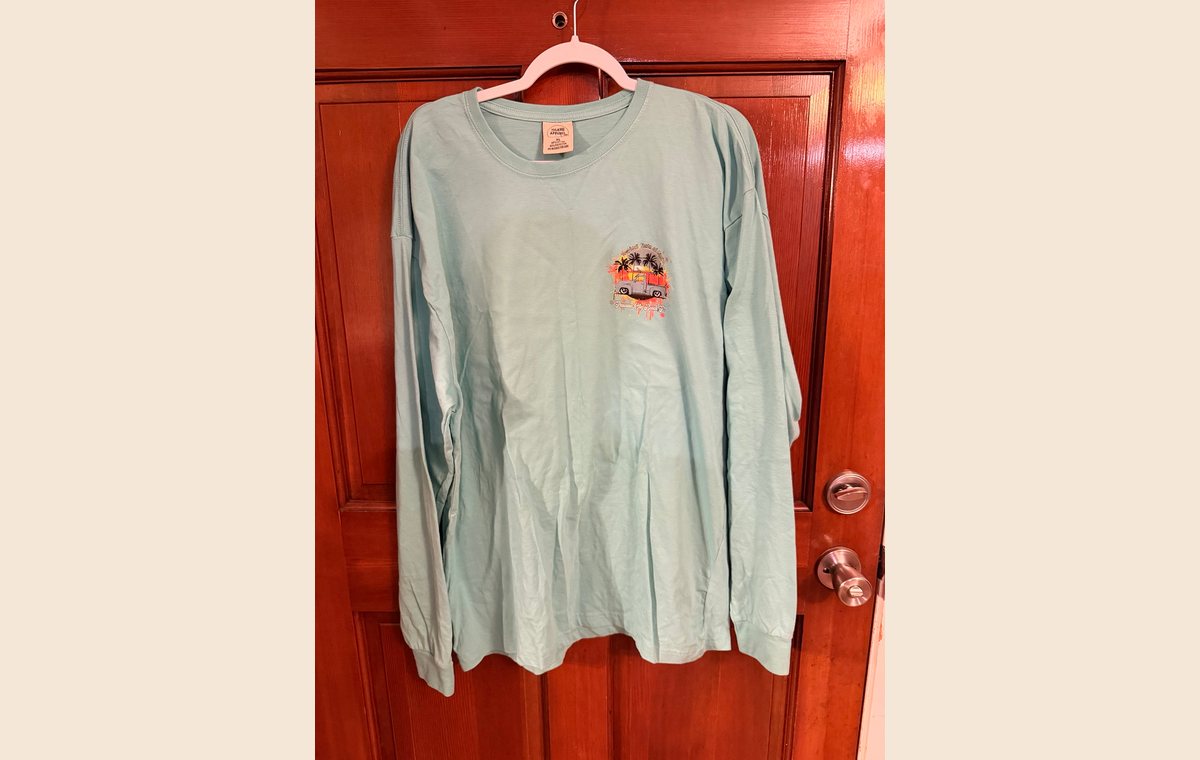
The bedroom chair becomes a clothing system when the household has no answer for “I wore this briefly, but it is not ready to wash.” The answer is not automatically another basket. I would start by creating one small, ventilated place and one firm limit.
Decide what is actually rewearable
Clothing that is wet, sweaty, visibly dirty, stained, exposed to illness, or carrying a strong odor belongs in the laundry according to the garment’s care label. Underwear and socks generally should not join a rewear pile. When hygiene or skin concerns apply, follow guidance from an appropriate health professional.
Let the item air before storing it
Do not fold damp clothing into a closed drawer or press it into a packed basket. Hang it where air can circulate, away from heaters, cooking areas, candles, and blocked vents. Check the fabric and household conditions; a system that traps moisture is not saving laundry if it creates odor or mildew.
Create one small rewear zone
Use two or three empty hangers at one end of the closet, one over-door hook that is already installed safely, or one clearly marked section of a sturdy rack. Avoid loading furniture, doors, or hooks beyond their capacity. The location should not block a doorway, window, or walking path.
Set a piece limit
The easiest rule is the size of the space: three hangers means three rewear pieces. When a fourth item arrives, choose one piece to wear next, wash, or put away if it was never actually worn. The limit keeps the category from becoming a second closet.
Make one weekly decision
Choose a predictable time—before laundry day, during a bedroom reset, or when planning outfits. Inspect every rewear item and decide: wear soon, wash, or return to regular storage if appropriate. Nothing stays automatically for another week.
Give each person a separate zone
Shared piles make it harder to tell whose clothing is whose and whether an item is clean. Give capable family members their own small limit. Children may need a picture label or a lower hook, but an adult should still decide what is safe for the space.
Do not use fragrance to hide a laundry decision
A spray does not make dirty clothing clean, and scents can bother some people. If you are uncertain, wash the garment according to its label. The goal is fewer unnecessary rewashes—not keeping clothing out of the hamper at any cost.
Pair this with the laundry routine that reduces rewashing and the room reset for covered surfaces.
Affiliate disclosure: I may earn a commission through clearly marked links. As an Amazon Associate I earn from qualifying purchases. Prices, availability, and terms can change. Buying nothing is always an option.