
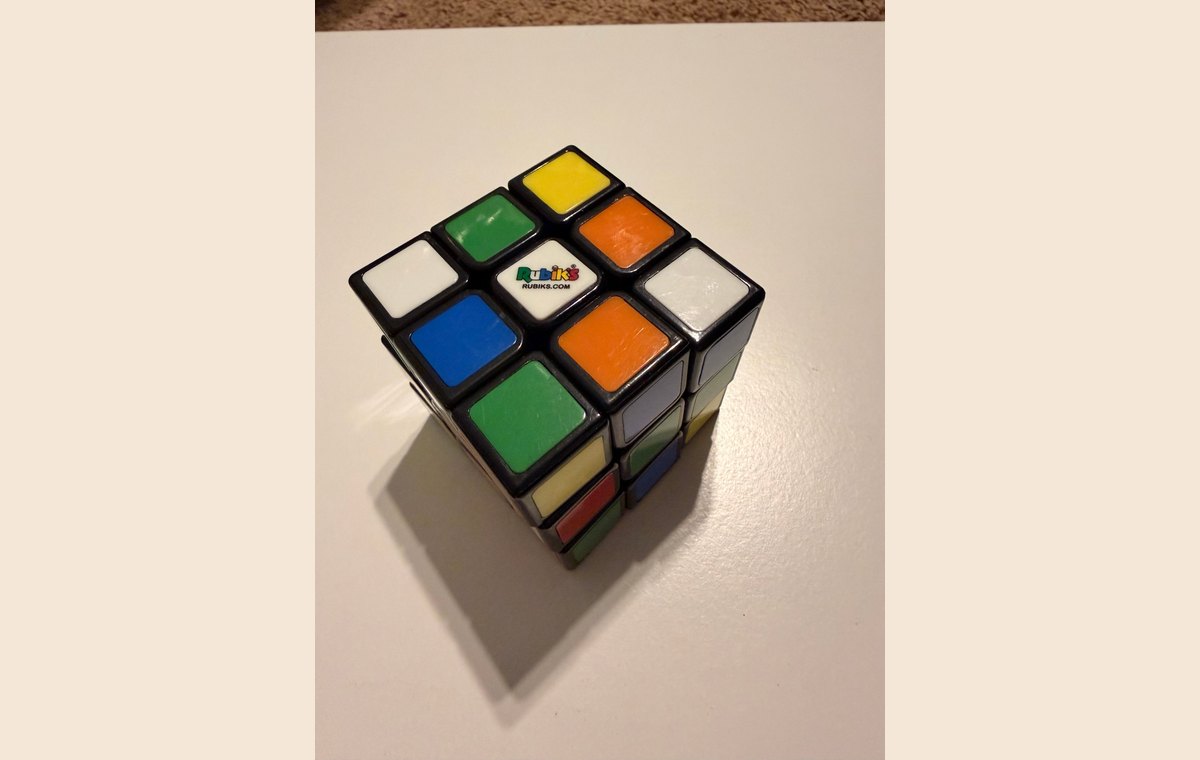
A family activity does not have to fill the whole evening. Ten minutes with a puzzle you already own can create a small pocket of shared attention between dinner, homework, and bedtime. The goal is connection, not proving who is fastest or finishing at all costs.
Choose a puzzle that can survive the timer
Use a twisty cube, jigsaw section, tangram, logic puzzle, matching game, or homemade paper challenge. Pick something safe for the youngest person present. Check for small pieces, magnets, damaged batteries, sharp edges, and choking hazards, and follow the maker’s age guidance.
Set one simple mission
A whole puzzle may be too much for ten minutes. Choose a smaller target: complete one color, find every edge piece, build one corner, match ten pairs, or solve one clue. A visible finish line prevents the activity from becoming another unfinished family project.
Let everyone choose a role
Not every child wants to manipulate the puzzle. One person can sort, one can turn pieces, one can watch the timer, one can read clues, and one can encourage or photograph the finished section. Children may also watch or pass. Participation should not require touch, speed, reading ability, or competition.
Decide whether the family is cooperating or competing
Cooperative play is often calmer: the family works against the timer and shares information. If your family enjoys competition, keep teams fair, avoid teasing, and stop if frustration overtakes the fun. HealthyChildren.org notes that simple play and a caregiver’s presence matter more than fancy equipment.
Use a reset phrase before starting
Try: “We are practicing together, not testing each other.” That sentence gives adults permission not to know the answer and children permission to try a new move. If someone solves puzzles easily, ask them to give one clue at a time instead of taking over.
Ask questions that help without controlling
“What have we already tried?” “Do you notice a pattern?” and “Which part feels possible next?” invite thinking. Avoid rapid instructions, grabbing the puzzle, or correcting every move. The lesson is not only how to solve the object; it is how to stay kind while a problem is unfinished.
Stop when the timer rings
Celebrate the effort, take a quick photo if everyone agrees, and decide together whether to save the progress or reset the puzzle. Do not turn ten minutes into another hour unless the family genuinely wants to continue and the evening allows it.
Use the same object in new ways
Next time, reverse the roles, build a story around the colors, make a clue card, or let a child design the challenge. Reusing one object keeps family connection from turning into shopping.
Keep pressure out of the game
If a child has motor, visual, attention, or learning differences, adapt the activity and follow their cues. A puzzle should not become a public measure of intelligence. For persistent developmental concerns, talk with a qualified health or education professional rather than diagnosing from one game.
Try family games with things you already own or the five-minute child check-in next.
Play source: The American Academy of Pediatrics’ HealthyChildren play guidance highlights simple objects, puzzles, and caregiver attention. No search-volume claim is made.
Affiliate disclosure: No new affiliate recommendation was added because no relevant user-owned link completed destination, product, and attribution verification. As an Amazon Associate I earn from qualifying purchases.