
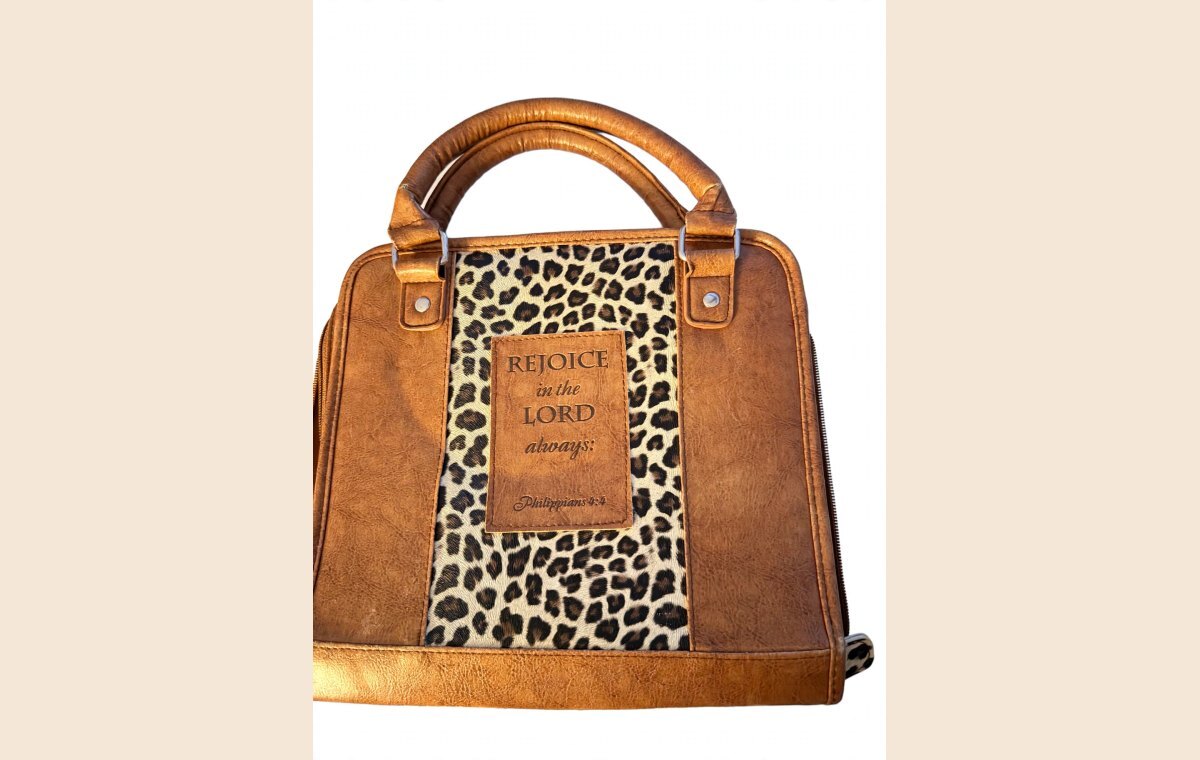
Seller disclosure: The Vinted closet linked below is mine. I may receive proceeds when you purchase my items. This is a shopping link, not a signup bonus or a promise that your own listings will sell.
When an item sits unsold, lowering the price can feel like the only next step. Before giving up more of the amount you would keep, read the listing as a buyer who has never seen the item. Can that person tell what it is, whether it fits and what condition it is in?
Start with a title that identifies the item
A useful title includes the actual item type, labeled brand if known, tagged size and a distinguishing detail such as color or style. Avoid unrelated brand names and claims you cannot verify. More keywords are not automatically better; the words should describe the item accurately.
For an invented example, “Cute top, must go!” tells a buyer very little. “Blue cotton button-front shirt, tagged size medium” is more specific if every detail is true. Add a brand only when you can verify it from the item. This example is not a claim about a listing in my closet or a promise of search visibility.
Separate the tagged size from measurements
Copy the size on the label, then add relevant measurements with units and a short explanation of how you measured. For a shirt, you might measure flat across the chest and from shoulder to hem. Do not turn a guess about fit into a fact. Say when a label is missing or unreadable.
Replace vague condition language
“Good condition” can mean different things to different people. Describe visible wear, staining, alterations and missing pieces in plain words. Check closures and seams again before editing. Photograph flaws clearly instead of hoping a general condition label covers them.
You do not need to invent a story about how often an item was worn. State what you actually know and can observe. Accurate details matter more than a polished sales pitch.
Use a description a buyer can scan
Try this simple order: item and tagged size; material as labeled; measurements; condition and flaws; included pieces. Keep personal details out. A buyer does not need your family’s names, schedule, school, home or location to understand a shirt or bag.
Check that the photos answer the same questions
Use clear views of the actual item, label and any flaw. Remove distracting clutter and check reflections, mail and identifying details before uploading. Do not edit away damage or change the color to make the item more appealing. If the color is difficult to capture, explain that limitation honestly.
Then decide whether the price needs work
Compare similar items by condition and relevant features. Asking prices show what a seller hopes to receive, not proof of completed sales. Check your minimum acceptable amount after applicable seller-paid costs. Review the marketplace’s current fees and shipping rules rather than assuming they are the same everywhere.
If you change the title, description and price all at once, it will be hard to tell which change helped. Make a note of what you edited and choose a review date. Buyer interest and sales are uncertain even with a strong listing.
A ten-minute listing review
- Does the title identify the actual item?
- Are the size and measurements clear?
- Are condition issues stated and shown?
- Do photos protect household privacy?
- Does the price fit the item and your own cost limits?
For offer decisions, use my bundle price-floor guide. If you are just starting, try the five-item resale plan before buying inventory. A careful listing is work worth doing, but it does not guarantee income.