
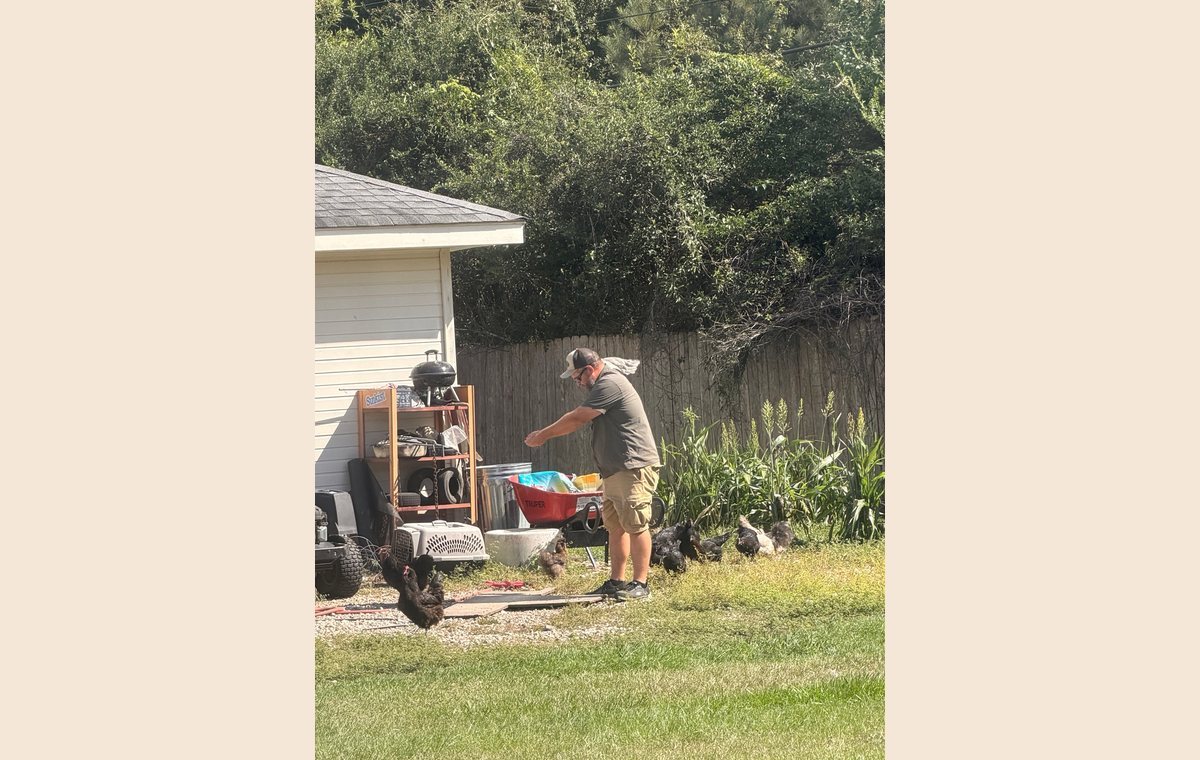
A kindness activity does not have to begin with a shopping list. A short walk can help a family notice people, shared spaces, and small ways to care for a neighborhood. I would keep the goal simple: connect with each other, pay attention, and choose one safe act that respects the people around us.
Choose a familiar safe route
Consider daylight, weather, traffic, sidewalks, mobility, supervision, local rules, and every family member’s needs. Tell an appropriate person the plan if needed. If walking is not safe or accessible, adapt the idea to a front porch, apartment hallway where permitted, community room, or a drive with an adult.
Define kindness before leaving
Say, “We are looking for one helpful thing we can do safely without bothering people.” Kindness might be greeting a neighbor, moving an empty bin with permission, picking up safe litter with proper protection, or noticing whom the family may check on later.
Do not turn neighbors into a lesson
People are not scenery for a family activity. Do not photograph a person, home, vehicle, package, disability, or hardship without permission. Avoid announcing assumptions about income, age, health, family structure, or why a yard looks a certain way.
Ask before helping with property
Do not enter a yard, move a package, touch a pet, shovel, sweep, trim, or rearrange someone’s belongings without clear permission. A well-meant action can create risk or interfere with a neighbor’s plan. When in doubt, leave the property alone.
Keep children within their safety rules
Children should not approach an unfamiliar adult, enter a home, handle medicine, accept a ride, or share private family information. Review what to do if separated and when to get an adult immediately. Service never requires ignoring safety boundaries.
Use what you already have
Wear appropriate shoes and clothing, bring needed mobility or weather supplies, and carry water if the route requires it. If picking up litter is allowed and safe, use suitable gloves and a bag already available. Never handle needles, chemicals, broken glass, animal waste, weapons, or unknown objects; notify the proper authority.
Let shy children participate quietly
One child may wave, another may carry the bag, and another may simply notice something kind a neighbor already did. Do not force greetings, physical affection, public speaking, or contact with someone who makes a child uncomfortable.
Notice good things too
Look for a clear sidewalk, a cared-for shared space, a friendly sign, a neighbor who checked on someone, or a tree that gives shade. Kindness is not only finding problems. Gratitude helps children see that a community already contains people contributing in ordinary ways.
Choose one follow-up action
Back home, decide whether to write a brief thank-you note, call a trusted neighbor, return a borrowed item, pray for someone, or add a legitimate community need to the family calendar. Do not promise help the household cannot safely or consistently provide.
Keep giving free from publicity
A private family photo that includes only consenting family members may be fine, but posting the recipient’s name, home, or need can take dignity away from the act. Let some good work remain known only to the people involved and to God.
End with two questions
Ask, “What kindness did we notice?” and “What is one thing we can do this week?” Let answers be small. Family connection grows when children see that care is not a special event requiring money; it can become part of how the household moves through ordinary places.
Try this alongside the thank-you voice note night and the no-fee family walk plan.
Affiliate disclosure: No new affiliate recommendation was added to this article because no relevant user-owned product link completed full destination and attribution verification. As an Amazon Associate I earn from qualifying purchases.