
Disclosure: This article includes paid links. As an Amazon Associate I earn from qualifying purchases. I may also earn a commission from qualifying affiliate signups. Buying something is optional; use what you already own first.
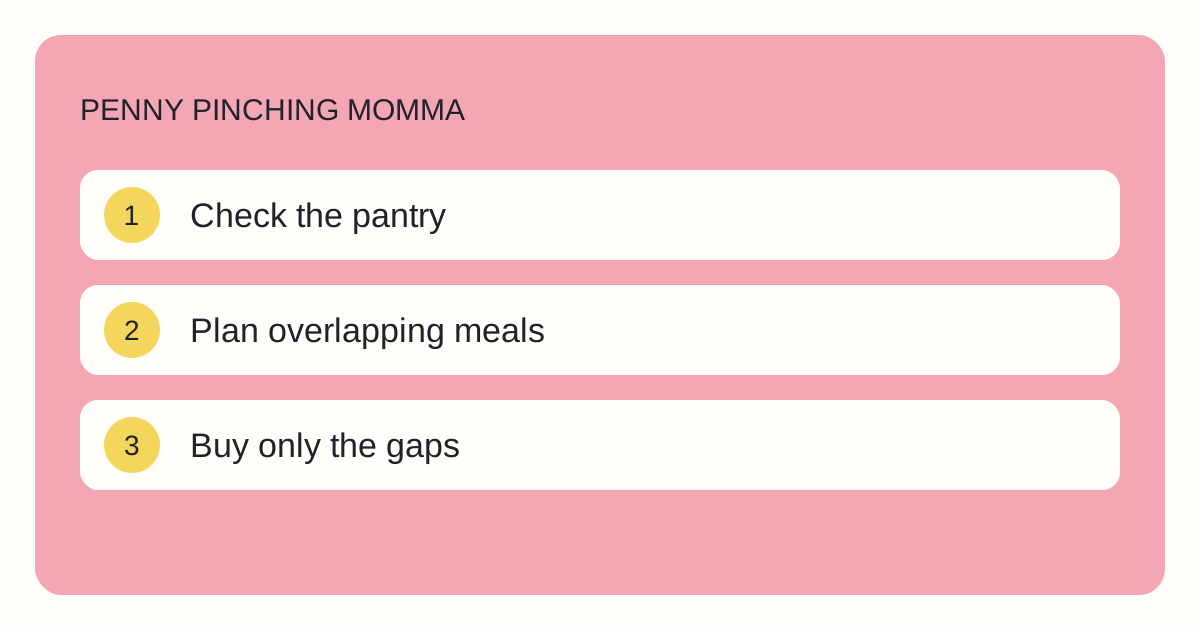
Saving money on groceries is easier to talk about than to do when everybody eats different things and the refrigerator seems empty again. I would start with the food your family actually uses. A smaller bill does not help if dinner gets thrown away or you need takeout two nights later. This grocery savings plan focuses on buying with a purpose and making the food you bring home easier to use.
Know your starting point
Gather a few recent grocery receipts and separate food from household supplies when possible. Write down what you spent and how many days the groceries covered. You do not need a fancy spreadsheet. A note on your phone gives you a baseline, which is more useful than choosing an ambitious number you cannot sustain.
Choose a realistic limit for the next trip and leave room for essentials that run out unexpectedly. If there is a big gap between what you need and what you can afford, review our family resource guides. Getting support is a practical step. Grocery strategies should not require skipping necessary food or buying things your family cannot safely eat.
Shop your kitchen before your cart
Check the refrigerator, freezer, and pantry. Make a short list of foods to use soon and ingredients that can become meals. You might find rice, half a bag of vegetables, and a package of chicken that only need a sauce or seasoning to become dinner. Our pantry-first grocery guide walks through this starting point.
Keep the inventory simple enough to repeat. You do not need to record every spice. Focus on meal ingredients, common staples, and items you accidentally buy twice. If a food is uncertain or no longer safe to use, savings are not a reason to keep it. Plan around usable ingredients, not the guilt of having bought something.
Plan meals that share ingredients
Choose a few dinners with overlapping ingredients. Tortillas might work for bean quesadillas and chicken wraps; a bag of carrots can serve as a side and go into soup. Overlap reduces the number of partly used packages left behind. It also gives you options when someone changes their mind about dinner.
Include one flexible meal and one easy backup. A rice bowl can use different proteins and vegetables. A familiar pantry dinner can rescue the night you get home late. Start with the five-day family meal plan if a blank page makes meal planning feel like another job.
Compare the cost of what you will actually use
Unit price helps compare different package sizes. Divide price by the amount in the package using the same unit. For example, a hypothetical $4 package with 16 ounces costs 25 cents per ounce. A $6 package with 32 ounces costs about 19 cents per ounce. Those are sample numbers, not current store prices.
The larger package only saves money if you can afford the upfront cost and use it before it goes to waste. The smaller package may be the better choice for a tight week or a food your children are just trying. Check our unit-price guide before assuming bulk is automatically cheaper.
Give coupons a job
Use a coupon when it lowers the cost of something already on your list or an acceptable substitute. Check the package size, purchase requirement, and whether a store offer can be combined with it. A discount that adds three unneeded items to the cart can cost more than it saves.
Keep a short list of regular prices for staples you buy often. That helps you recognize a useful sale without relying on the size of a promotional sign. Compare store brands when your family is comfortable trying them. Test one change at a time so you do not fill the kitchen with unfamiliar foods that nobody wants.
Choose stores by the full trip cost
A cheaper shelf price is not the whole story. Consider transportation, pickup fees, minimum purchases, time, and whether a second stop will tempt you to add extras. One planned trip may work better than driving across town for a handful of small discounts. Pickup can help some families stay on a list, but review substitutions and any added charges.
Make the list in sections, such as produce, dairy, proteins, pantry, and household supplies. Mark must-have items separately from optional extras. If the cart total climbs, it is easier to remove an optional item than to rethink every meal at the checkout. Keep enough flexibility to replace an expensive ingredient with something suitable.
Save the groceries after you buy them
Put food away promptly and follow storage instructions. Move older usable items where you will see them. Give leftovers a planned meal instead of letting them become a mystery in the back. The ten-minute fridge reset is a small routine with a clear purpose: help the food you paid for get eaten.
Before the next trip, ask what ran out early, what was left over, and which meal was easiest. Adjust the next list from those answers. Grocery savings are usually a collection of ordinary decisions repeated often. Start with three meals, one checked list, and one food you will use before buying more.