I want breakfast to be one less decision on a busy school morning. That does not mean every family needs a homemade spread or a matching pantry display. A budget breakfast station is simply a place for the things you use, paired with a short plan for what is on the menu.
Choose three easy school-morning breakfasts
Write down a few breakfasts your household already eats. For example, your list might include oatmeal and fruit, toast with a suitable topping, or yogurt with something crunchy. Adjust for allergies, ages, feeding needs, and what your family can safely prepare and eat.
I would choose familiar options before buying ingredients for five new recipes. Keep one backup breakfast for the morning when the usual plan falls apart. A simple meal that gets eaten is more useful than a beautiful plan that creates food waste.
Build the station around your actual kitchen
Put shelf-stable breakfast supplies in one accessible place and keep refrigerated foods properly refrigerated. A breakfast station does not mean leaving perishable foods out overnight. Follow package storage directions and safe food-handling guidance.
Choose a spot that does not block the stove or become a climbing temptation. Some families can use a low shelf; others need an adult to hand out supplies. Keep appliances, hot liquids, knives, and other hazards under appropriate adult control. Independence should fit the child, not the photograph of the setup.
Make a tiny breakfast menu
Use plain words or pictures: “Monday: oatmeal. Tuesday: toast. Wednesday: yogurt.” Repeating a meal is fine. You can also let children choose between two options if that is easier than assigning a different breakfast every day.
The menu is a decision helper, not a rule worth arguing over when circumstances change. If the planned food is unavailable, use the backup. If your family eats breakfast elsewhere, your station may only need water bottles, an approved snack, and the things needed to get out the door.
Give kids one safe job at a time
An age-appropriate job might be putting a spoon at each place, choosing a piece of fruit, or returning an unopened package to its shelf. Teach the task when you are not rushing. Avoid expecting a child to use a hot appliance or manage a food allergy without the support they need.
Keep the cleanup just as specific: put dishes in the agreed place, wipe an appropriate surface with help, and return supplies. My tween independence guide explains a gradual handoff without constant reminders.
Connect the station to a small restock list
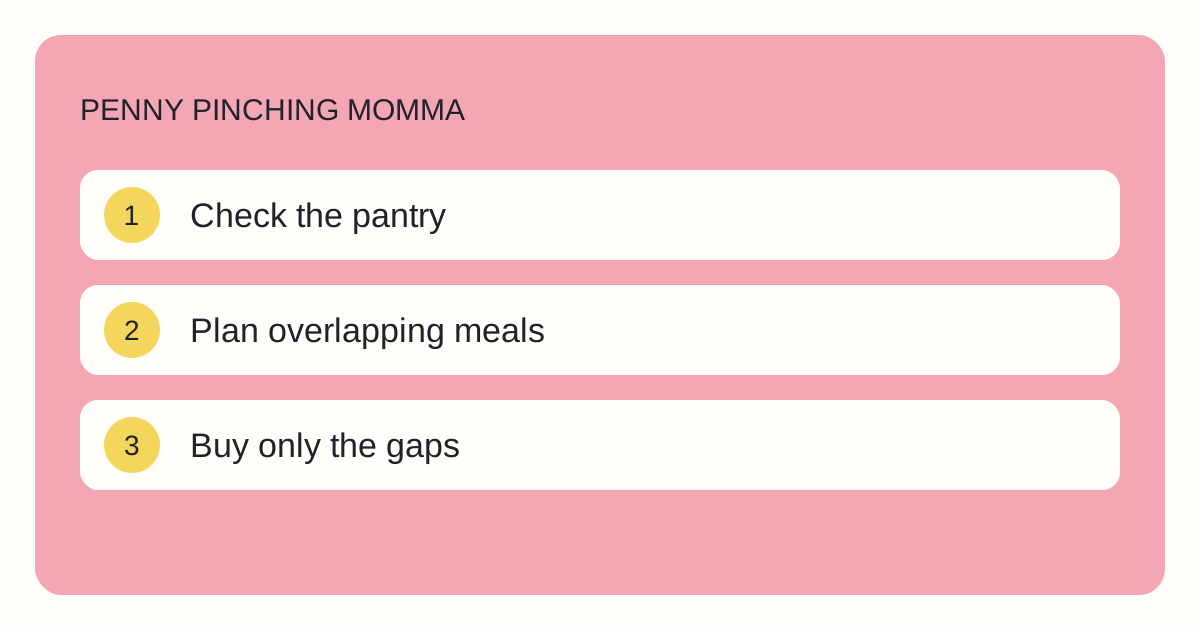
Write down the few things that keep running out. Check what you have before adding them to the grocery list, including open packages that need using first. Do not stockpile a food just because it looks neat in a basket.
Compare package prices and unit prices where useful, but include what your family will actually finish. If a larger package repeatedly goes stale, the lower shelf price per ounce may not give you better value. Read the unit-price guide for a practical comparison method.
Prepare the decisions the night before
You can choose the menu, clear a spot, and locate bowls without preparing food ahead. Keep the evening step short enough that you will do it on a tired night. The goal is less morning searching, not shifting an hour of work to bedtime.
Pair the breakfast setup with the school-morning launch pad so bags and shoes do not compete with the kitchen routine. If the whole system feels too much, keep only the menu and the backup meal.
Keep the budget honest
I would track which foods were eaten and which were left behind before buying new organizers. That tells you what the breakfast routine needs. Some weeks the best improvement is a smaller grocery list, a repeated meal, or ten minutes less rushing.
Give yourself permission to start with an ordinary shelf. Care for your family can look like a simple breakfast and a calm word before the door closes. It does not need to look like anyone else’s kitchen.
Questions moms ask
What is a budget breakfast station?
It is a practical place for the breakfast supplies your household already uses, paired with a small menu and a restock list. It does not require buying a cart, bins, or special appliances.
How do I prepare for school breakfast the night before?
Choose the menu, check that the needed food is available, and set out appropriate nonfood supplies. Keep foods stored according to their labels and use a simple backup when the plan changes.
Affiliate disclosure: I may earn a commission from qualifying purchases or signups through paid links in this article. As an Amazon Associate I earn from qualifying purchases. Offers, prices, eligibility, and terms can change.